Whey Protein Powder Peculiarities
Whey protein powder ranks among the most studied supplements. Its popularity owes much to a unique blend of nutrients, rapid absorption and a creamy texture. Athletes and health enthusiasts often reach for it after workouts. Yet beneath its common use lie subtleties worth exploring.
Composition and quality
Whey emerges when milk separates into curds and liquid. This liquid holds valuable proteins, lactose and minerals. Ultrafiltration preserves most beneficial elements. Micellar isolation further refines protein content. These methods yield concentrates, isolates and hydrolysates. Each form carries its own protein ratio and level of lactose. Concentrates feature around 80 percent protein alongside fats and sugars. Isolates boast purity above 90 percent with minimal lactose presence. Hydrolysates undergo partial predigestion for faster uptake. Selecting the right type depends on dietary needs, budget and digestive tolerance.
Digestibility and absorption
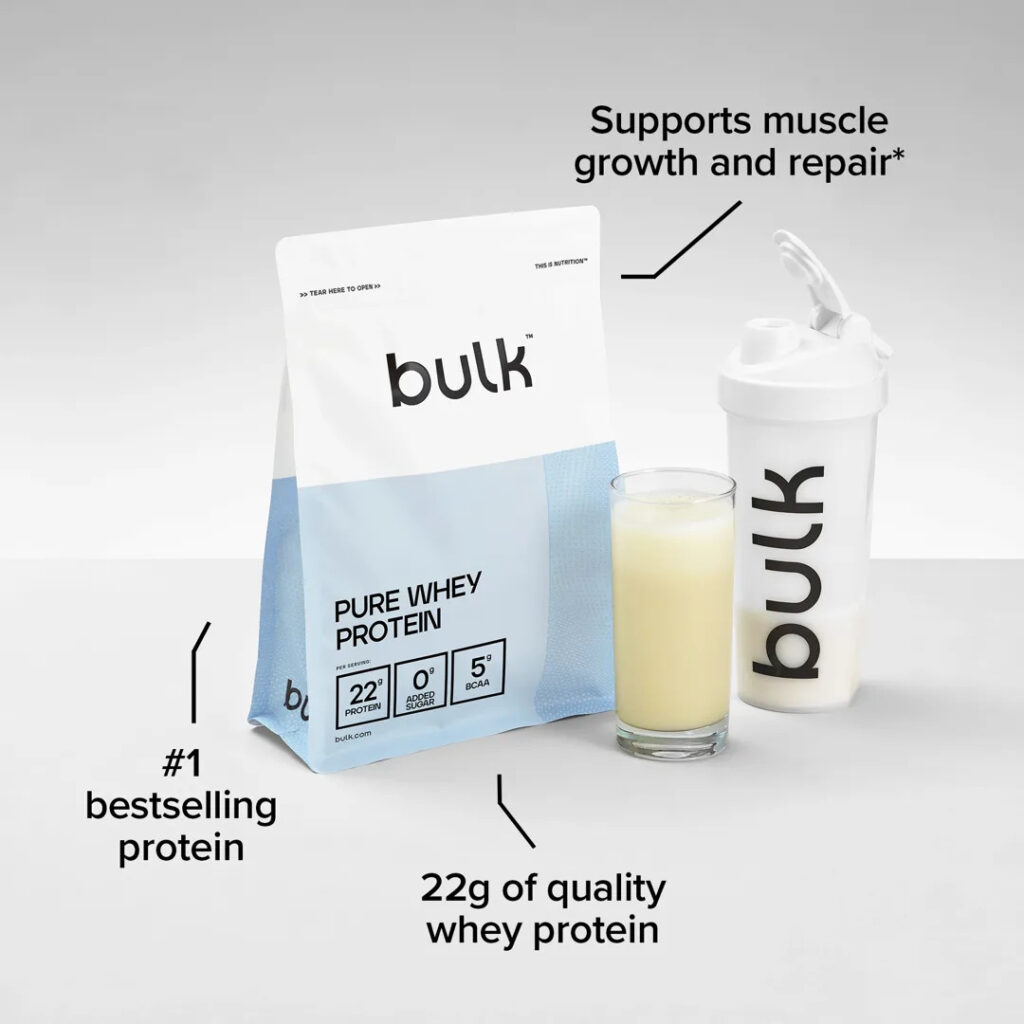
Fast absorption remains whey’s headline trait. After ingestion, amino acids flood the bloodstream within thirty to sixty minutes. This swift release supports muscle recovery and growth. Compared to casein’s slow trickle of nutrients, whey spikes plasma amino levels sharply. Studies reveal a greater stimulation of muscle protein synthesis when whey follows a training session. However some individuals report bloating or discomfort. Lactose sensitivity could play a part. In such cases, whey isolate or lactose free blends often prove gentler on the stomach.
Variants and flavours
Beyond purity levels, taste stands as a major differentiator. Natural whey exhibits a light milky flavour that may not please every palate. Manufacturers address this by adding natural extracts or flavour complexes. Vanilla bean powder, cocoa nib blend and sun ripened strawberry powder top the list of popular choices. Yet artificial sweeteners can impart an unwelcome aftertaste. Some brands opt for stevia or monk fruit extract to maintain sweetness without refined sugar. Texture too finds variation. Microfiltered powders tend to mix smoothly. Others require vigorous stirring or blending to avoid lumps. Choosing a variant balances taste preference and ingredient transparency.
Practical tips for use
Integrating whey into daily routines proves simple. A typical serving measures around twenty five grams of pure protein. Mixing with water or plant based milk offers convenience on the go. For creamier results, blending with Greek yoghurt and fresh fruit creates a handy snack. Baking enthusiasts can enrich muffins or pancakes by substituting part of the flour with whey. Always measure accurately to maintain macronutrient balance. Storing the powder in a cool dry cabinet prevents clumping and flavour loss. Once opened, sealing the bag tightly ensures freshness. Rotating between unflavoured and flavoured options keeps routines from growing stale.
Potential caveats
Despite its acclaim, whey protein is not without drawbacks. Excessive intake may stress renal function over time. Those with pre existing kidney issues should consult a healthcare professional. Moreover protein needs plateau beyond a certain threshold. Consuming more than required does not boost gains and can add unnecessary calories. Ethical considerations arise as well. Whey stands as a dairy byproduct. Vegans and those allergic to dairy must seek plant based alternatives such as pea protein or rice protein blends.
Why choose Bulk?
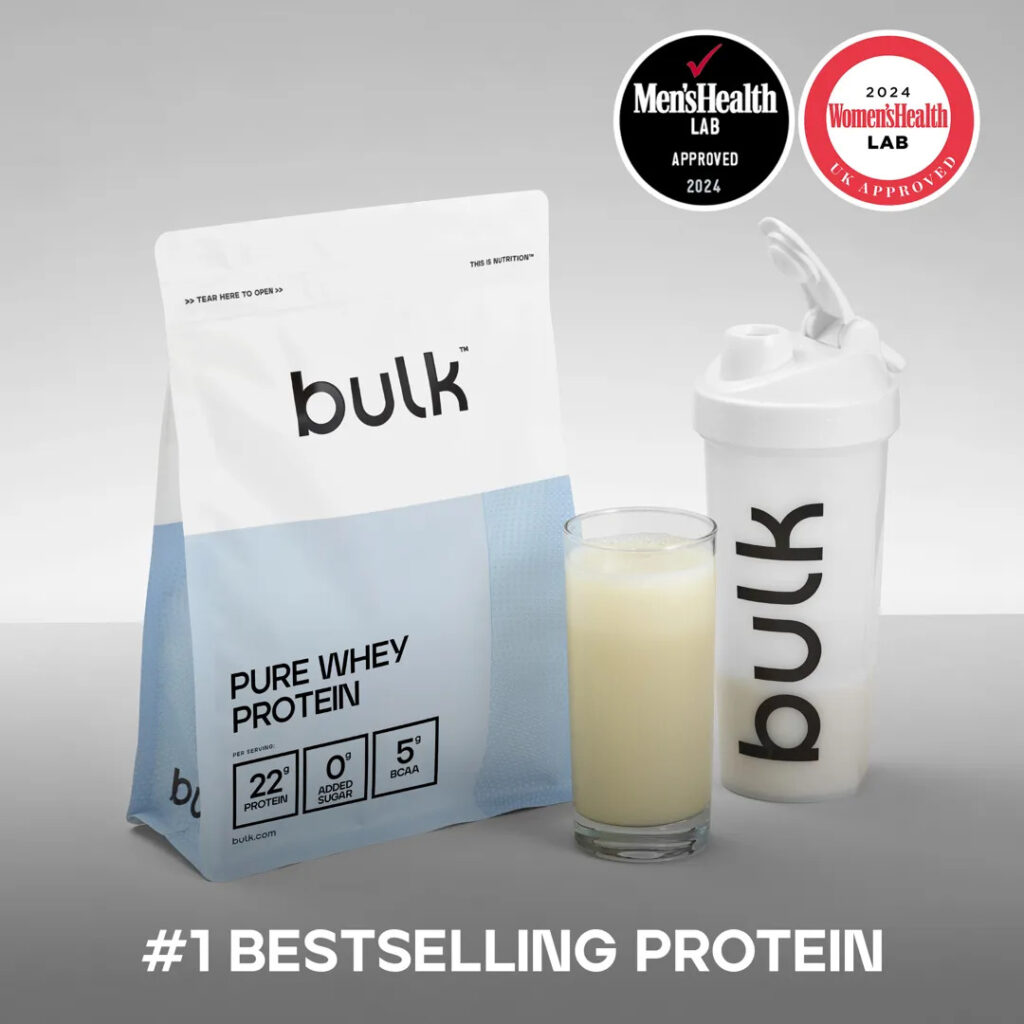
Bulk offers a comprehensive range of whey powders designed for every lifestyle. With transparency in sourcing and third party testing, each batch guarantees purity. Natural flavour options rely on extracts rather than artificial additives. Their isolate collection suits those with dairy sensitivity. Meanwhile concentrate blends present cost effective solutions without compromising texture. Explore whey powder solutions tailored to your goals at Bulk’s official site today.
Other Articles